
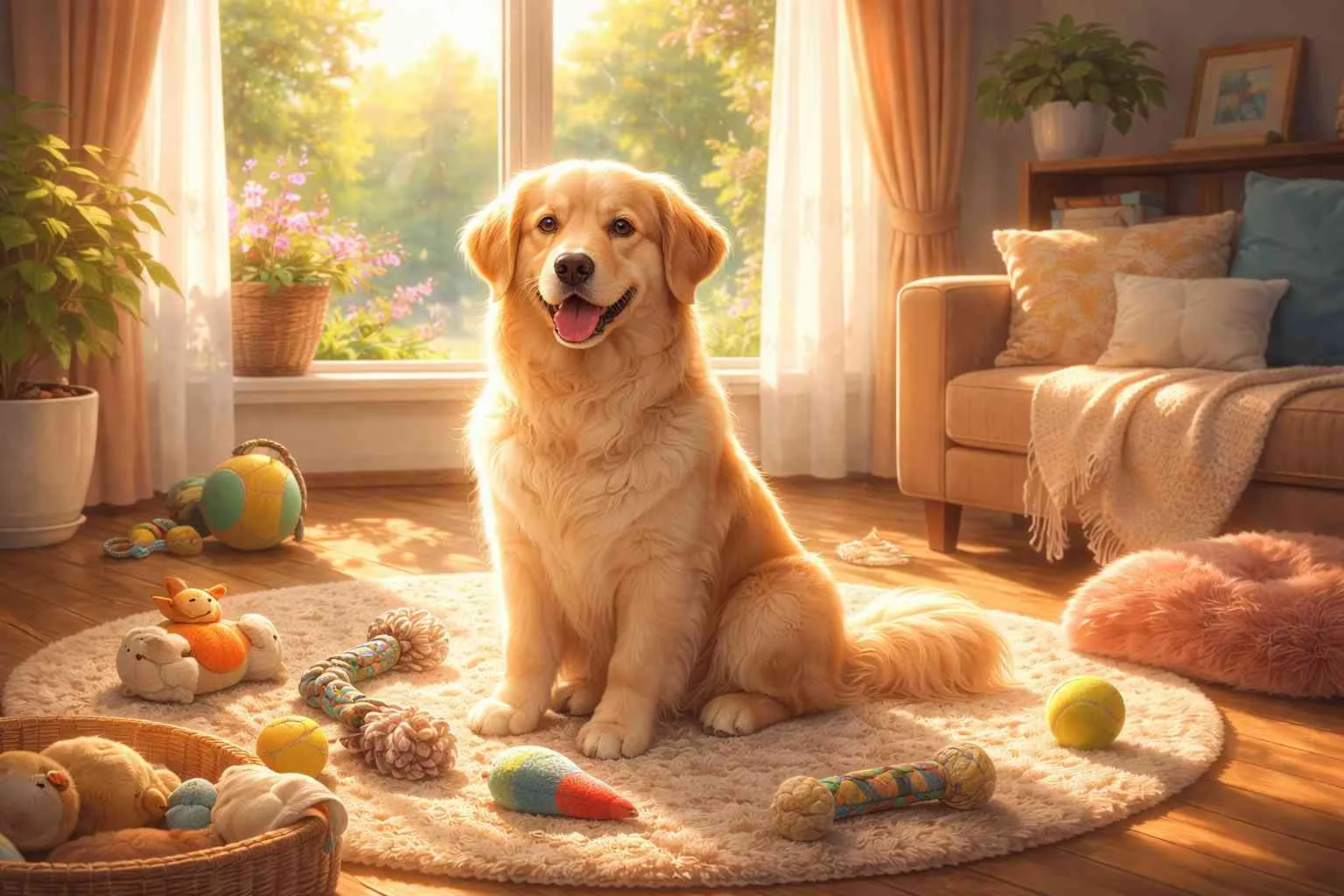
Dogs may live in our homes, sleep on our sofas, and steal our pillows, but deep down they are still incredibly social animals. Their brains are wired for connection, routine, and engagement. When a dog suddenly goes from a busy morning with its owner to several silent hours alone, that shift can feel confusing. Some dogs simply nap and wait, while others begin searching for ways to fill the empty space. According to the American Kennel Club, boredom can lead to chewing, barking, pacing, and other unwanted behaviors because many dogs create their own entertainment when none is provided.
Modern life often makes this harder. People work long shifts, commute, and handle responsibilities that pull them away from home. Meanwhile, dogs may spend six to ten hours with very little to do. A dog that was originally bred for herding, hunting, guarding, or companionship can feel mentally underused when left alone daily. Imagine giving a bright child nothing but a blank room for half the day. That same mental frustration can happen with dogs. The problem is not that your dog is “bad.” The problem is usually that your dog is under-stimulated and unsure how to cope with the quiet.
What Boredom Looks Like In Dogs Left Alone
Boredom in dogs does not always look dramatic. Sometimes it appears as shredded cushions, clawed doors, or overturned trash bins. Other times it can be subtle. A dog may pace from window to window, repeatedly lick its paws, or stare at the door waiting for your return. The RSPCA notes that dogs left without stimulation may show destructive behavior, excessive vocalizing, and repetitive habits that signal emotional distress.
Some owners mistake boredom for stubbornness. They come home to chewed shoes and assume the dog acted out of revenge. Dogs do not think that way. They are often trying to release energy, reduce stress, or create stimulation. Signs can include:
| Visible Signs | Subtle Signs |
|---|---|
| Barking excessively | Restlessness |
| Chewing furniture | Sleeping too much |
| Digging indoors | Excessive licking |
| Scratching doors | Reduced enthusiasm |
The subtle signs can be more important than the obvious ones. A dog that seems “too quiet” may not be calm at all. Some dogs simply shut down emotionally when they feel isolated. Watching your dog through a pet camera for a few days can reveal what truly happens after you leave.
Turning Alone Time Into Enrichment Time
Instead of thinking about keeping your dog busy, it helps to think about making your dog’s alone time meaningful. Enrichment means giving your dog opportunities to use natural instincts like sniffing, chewing, problem-solving, and exploring. Mental exercise can tire a dog as effectively as physical activity. That is why puzzle feeders and scent games often work better than tossing a random toy on the floor.
Dogs also need emotional comfort. Your home environment can influence how secure they feel. Leaving a worn T-shirt that smells like you may help some dogs settle. Soft background noise can also reduce the eerie silence of an empty home. Some dogs respond well to calming music or low-volume television because it mimics normal household activity. While enrichment should never replace exercise, it can transform alone time from frustrating to manageable.
Think of your dog’s day like a story. If the beginning of the day is energetic and stimulating, the middle of the day becomes easier for them to rest through. A mentally fulfilled dog is much more likely to nap peacefully than invent chaos in your living room.
Toys And Activities That Actually Hold Attention
Not all dog toys are created equal. Some toys entertain for thirty seconds and then get ignored under the couch forever. The toys that hold attention usually engage the dog’s brain, not just the mouth. Food-dispensing toys are among the most effective because they tap into a dog’s natural foraging instincts. The dog must work to get the reward, which creates longer-lasting engagement. Experts often recommend enrichment toys that challenge dogs mentally rather than passive plush toys.
The best options often include:
- Frozen stuffed toys filled with dog-safe food
- Puzzle feeders requiring movement to release treats
- Long-lasting chew toys
- Snuffle mats for scent work
- Treat balls that roll unpredictably
A frozen toy can be especially useful because it lasts longer. Imagine giving your dog a canine version of a puzzle meal instead of a quick snack. That single change can stretch entertainment from five minutes to nearly an hour. Scent games can also be surprisingly effective. Hiding kibble in a snuffle mat lets your dog “hunt,” which satisfies an instinct many owners overlook. The goal is not to flood your dog with toys but to offer the right kind of challenge.
Structuring The Day Before You Leave
What happens before you leave often determines what happens after you leave. Many dogs are left alone while still carrying unspent energy. That energy has to go somewhere. If it is not released before you walk out the door, it may come out as barking, pacing, or destruction later.
A morning walk should not just be a bathroom break. It should be a true decompression walk. Let your dog sniff trees, investigate smells, and move at a comfortable pace. Sniffing activates the brain and can be more tiring than brisk walking alone. After exercise, feeding your dog through a puzzle feeder instead of a bowl can create a natural wind-down period. The combination of movement, sniffing, and problem-solving helps the dog transition into rest mode.
A simple pre-leaving routine might look like this:
| Before Leaving | Purpose |
|---|---|
| 20-minute sniff walk | Burn mental energy |
| Puzzle breakfast | Slow feeding |
| Calm goodbye | Reduce stress |
| Special toy only when alone | Positive association |
When the same routine happens consistently, your dog begins to predict that your departure is temporary and safe. That predictability can reduce both boredom and stress.
Rotating Stimuli To Keep Things Fresh
One mistake many owners make is leaving every toy out all the time. Dogs can become desensitized to constant access. A toy that sits in the same corner every day can become invisible. Rotating toys can make old items feel brand new again.
Think of toys like books in a library. If your dog only sees three at a time, each one stays interesting longer. You can rotate every few days to maintain novelty. This works especially well with puzzle toys, chew items, and scent games. Even changing where a toy appears can renew interest because dogs rely heavily on environmental changes.
Background stimulation can also help. Some dogs relax with soft classical music. Others enjoy watching movement outside a safe window. The key is experimenting carefully. Dogs have different personalities, just like people. One dog may love a treat puzzle while another prefers a chew and a quiet room. The goal is not to overwhelm your dog with stimulation. It is to create enough variety that the day does not feel endlessly repetitive.
Signs Your Dog Needs More Than Just Toys
Sometimes toys are not enough. If your dog panics when you leave, vocalizes nonstop, drools excessively, or tries to escape, the issue may be deeper than boredom. Separation-related distress can look similar to boredom at first, but the emotional cause is different. The RSPCA reports that many dogs struggle with being alone, and some show distress in ways owners never notice without video monitoring.
Signs that suggest a bigger issue include:
- Constant whining after departure
- Destructive scratching at exits
- Refusing food when alone
- Heavy panting indoors
- Self-injury attempts
If your dog ignores enrichment entirely once you leave, that can be a red flag. A bored dog usually interacts with a toy eventually. An anxious dog often cannot. In that case, training, gradual desensitization, or professional support from a veterinarian or certified behaviorist may be needed. Toys can support emotional health, but they cannot solve genuine separation anxiety on their own.
Conclusion
Keeping a dog from being bored when home alone is less about buying more toys and more about understanding what your dog truly needs. Dogs need mental engagement, physical outlets, routine, and emotional security. A thoughtful morning routine, rotating enrichment, and observing your dog’s behavior can completely change how your dog experiences your absence.
The biggest shift happens when you stop seeing alone time as empty time. With the right preparation, those quiet hours can become restful, enriching, and far less stressful for both of you. A dog that feels fulfilled does not need to turn your home into a personal demolition project. Instead, your dog can learn that being alone is simply another safe part of the day.
FAQs
1. How long can a dog stay home alone without getting bored?
Most adult dogs can stay alone for 4 to 8 hours, but boredom depends more on stimulation than time. A well-exercised dog with enrichment can handle alone time better than a dog left inactive for two hours.
2. Are puzzle toys really effective for dogs?
Yes, puzzle toys can be very effective because they engage a dog’s brain. Mental work often tires dogs faster than simple physical activity.
3. Should I leave the TV on for my dog?
Some dogs find background noise comforting. Soft music or television can reduce silence and outside noise triggers for certain dogs.
4. How do I know if it is boredom or separation anxiety?
Bored dogs usually interact with toys eventually. Dogs with anxiety often panic, vocalize, or refuse food immediately after you leave.
5. Can another dog solve boredom?
Sometimes companionship helps, but another dog is not a guaranteed fix. Some dogs still need individual enrichment even in multi-dog homes.

Keaton Mireles, a 34-year-old American blogger from San Antonio, Texas, brings a well-rounded background in content strategy and online publishing. His work is rooted in real-world experience, blending storytelling with actionable insights, particularly in pet care and lifestyle niches. At dogcatbirdfish.com, Keaton focuses on creating authoritative content that balances depth with accessibility, helping readers navigate common challenges with confidence. His consistent attention to detail and commitment to accuracy have made him a trusted voice among readers seeking reliable information.