
If you’ve ever wondered why old dog urine smell feels impossible to remove, you’re not imagining things; it’s a chemical battle happening right under your nose. When dog urine dries, it doesn’t simply disappear. Instead, it leaves behind uric acid crystals that bond tightly to carpet fibers and sink deep into the layers beneath. These crystals are stubborn, almost like microscopic glue, clinging to everything they touch. Even worse, they don’t smell much when dry, which tricks you into thinking the problem is gone; until humidity rises or moisture is introduced again.
Here’s where things get frustrating: those crystals reactivate when exposed to moisture, releasing that familiar pungent odor all over again. According to recent findings, urine residues can linger in carpet padding for years; even up to seven years in some cases . That’s right; what you’re smelling today could be something your dog did long ago. Think of it like a sponge soaked with invisible odor triggers, waiting for the right conditions to strike again.
This is why traditional cleaners fail. Most of them simply clean the surface or mask the smell temporarily. They don’t break down the uric acid itself. And unless you target that core issue, you’re essentially putting a bandage over a deeper wound. Understanding this science is the first step to finally winning the fight against persistent pet odors.
How Bacteria and Ammonia Intensify Odors
Beyond uric acid, there’s another hidden enemy working against you; bacteria. Dog urine is full of organic compounds, and once it settles into your carpet, bacteria begin to break it down. During this process, ammonia is released, which is responsible for that sharp, eye-watering smell that seems to get worse over time.
What makes this even trickier is that cleaning can sometimes make things smell worse before they improve. When you introduce moisture; like water or cleaning solutions; you can reactivate dormant bacteria and ammonia, intensifying the odor temporarily . It’s like waking up a sleeping giant. This is why many people feel frustrated after cleaning, thinking they made the problem worse.
Carpets themselves don’t help either. Their porous structure allows urine to seep deep into fibers, backing, and even subfloor layers. So, even if the surface looks clean, the smell can still rise from underneath. Imagine pouring coffee into a thick sponge; you wouldn’t expect wiping the top to remove it completely, right? The same principle applies here.
Understanding how bacteria and ammonia work alongside uric acid gives you a clear picture: you’re not just cleaning a stain; you’re eliminating a biological process. And that requires the right tools, techniques, and a bit of patience.
Locating Hidden or Dried Stains Accurately
Visual vs Invisible Stains

Here’s a reality check: if you can smell urine but can’t see it, the stain is still there. Old dog urine stains often become invisible over time, blending into the carpet fibers and leaving no obvious discoloration. But don’t let that fool you; these hidden spots are usually the worst offenders.
Unlike fresh stains, dried urine spreads beyond its original area. It seeps outward and downward, creating a much larger contamination zone than what’s visible on the surface. That’s why simply cleaning the “obvious” spot often doesn’t solve the problem. You might remove part of it, but the surrounding area continues to release odor.
A good trick is to trust your nose. Get close to the carpet and identify where the smell is strongest. It might feel odd, but this method is surprisingly effective. Think of yourself as a detective following invisible clues. The stronger the smell, the closer you are to the core of the issue.
Using UV Light Detection Methods
If you want to take things to the next level, UV (blacklight) detection is a game changer. Under ultraviolet light, dried urine stains glow, revealing hidden spots you’d never notice otherwise. It’s like turning on a secret map of problem areas in your home.
Using a UV light in a dark room, scan your carpet slowly. You’ll likely discover multiple spots, even in places you didn’t suspect. This method is especially useful if your dog has had repeated accidents in different areas over time.
The key advantage here is precision. Instead of guessing where to clean, you can target every affected area directly. This ensures your cleaning efforts are thorough and not just surface-level. And when dealing with stubborn odors, precision is everything.
Deep Cleaning Techniques That Actually Work
Enzyme Cleaners Explained
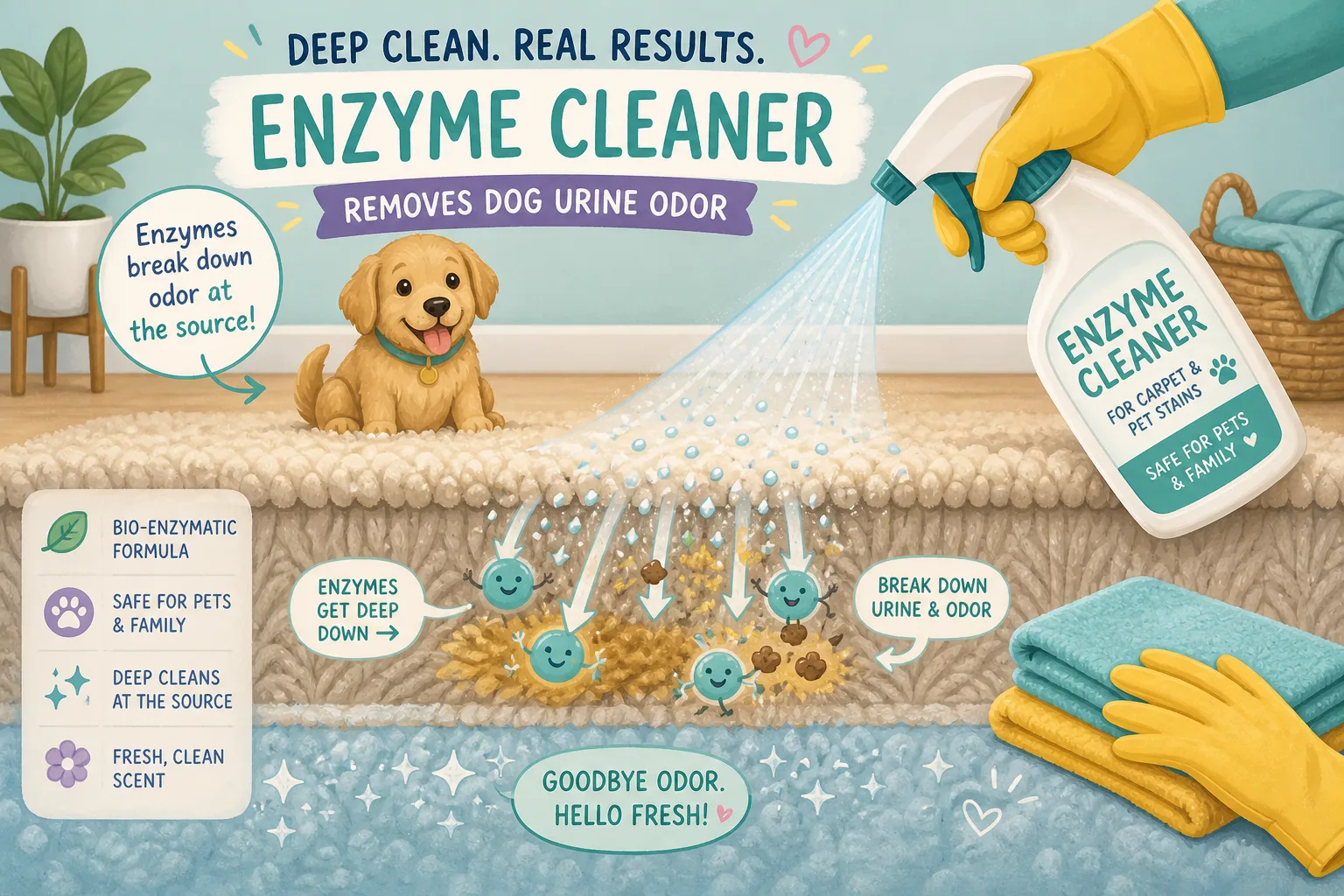
When it comes to removing old urine smell, enzyme cleaners are your best weapon. Unlike regular cleaners that mask odors, these products contain enzymes that actively break down the proteins, bacteria, and uric acid in urine. They don’t just hide the smell; they eliminate its source.
Here’s how they work: enzymes digest organic matter, essentially “eating” the compounds causing the odor. This process takes time, which is why you might notice a stronger smell initially. That’s actually a sign the cleaner is working . It’s breaking down the very thing causing the problem.
However, effectiveness depends on proper use. If you don’t apply enough cleaner or don’t let it sit long enough, it won’t reach the deeper layers where the urine resides. Think of it like watering a plant; you need enough liquid to reach the roots, not just the surface.
Step-by-Step Deep Cleaning Process
To truly eliminate old dog urine smell, follow this proven process:
- Locate all affected areas using smell or UV light
- Saturate the area with enzyme cleaner (don’t just spray lightly)
- Allow dwell time (at least 10–30 minutes or longer)
- Blot or extract excess moisture
- Let it air dry completely
This process ensures the cleaner penetrates deep into the carpet and padding. Rushing through it or skipping steps will only lead to partial results. And partial cleaning is exactly why odors keep coming back.
When Standard Cleaners Aren’t Enough
Carpet Padding and Subfloor Contamination
Sometimes, no matter how hard you try, the smell persists. That’s usually a sign the urine has reached the carpet padding or subfloor. At this point, surface cleaning won’t cut it. The odor is coming from beneath, and until you address that, it will continue to linger.
Carpet padding acts like a reservoir, holding onto urine and slowly releasing odor over time. In severe cases, even professional cleaning might not fully remove it because the contamination is too deep.
Professional Cleaning vs Replacement
When dealing with deep contamination, you have two main options:
| Method | Effectiveness | Cost | Best For |
|---|---|---|---|
| DIY Enzyme Cleaning | Moderate | Low | Light to moderate stains |
| Professional Extraction | High | Medium | Deep but limited areas |
| Padding Replacement | Very High | High | Severe contamination |
| Full Carpet Replacement | Maximum | Very High | Extensive damage |
Sometimes, replacing the padding or even the carpet is the only permanent solution. It may sound extreme, but in heavily affected areas, it’s often the most effective way to eliminate odors completely.
Related Reading: Toy Fox Terrier And Jack Russell Mix Breed Care Guide
Restoring Carpet Without Damaging Fibers
Safe Cleaning Methods for Different Materials
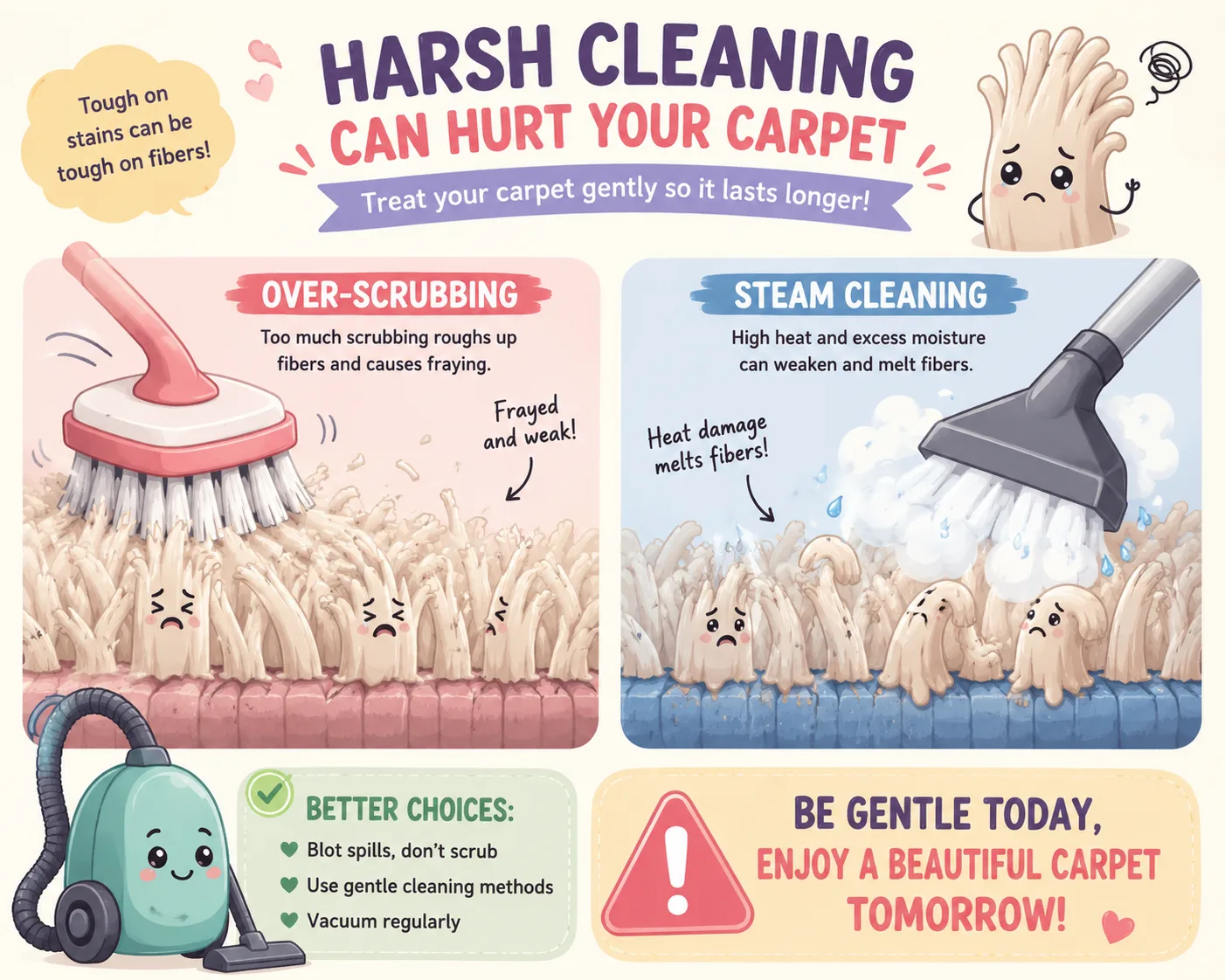
Not all carpets are created equal. Some materials, like wool, are more delicate and require gentler cleaning methods. Using harsh chemicals or excessive moisture can damage fibers and worsen the problem.
Stick to pet-safe, pH-balanced cleaners and always test a small area first. This ensures you won’t accidentally bleach or weaken the carpet.
Common Mistakes That Ruin Carpets
Many people unknowingly make cleaning mistakes that make things worse:
- Using steam cleaning on untreated urine (can set the stain)
- Over-wetting the carpet
- Using ammonia-based cleaners (smells like urine to dogs)
- Scrubbing aggressively
Avoiding these mistakes is just as important as choosing the right cleaning method.
Long-Term Solutions to Keep Odors from Returning
Preventing Repeat Accidents
Dogs often return to the same spot because of lingering scent markers. Eliminating the smell completely is essential to prevent repeat accidents. Training, routine bathroom breaks, and addressing health issues all play a role.
Maintenance and Odor Control Tips
Keeping your home fresh requires ongoing effort. Regular vacuuming, using baking soda for odor absorption, and maintaining proper ventilation can make a huge difference. Small habits add up over time, preventing odors from building up again.
Conclusion
Getting rid of old dog urine smell from carpet isn’t just about cleaning; it’s about understanding the science behind the odor and tackling it at its source. From uric acid crystals to deep carpet penetration, every layer of the problem requires a targeted approach. With the right techniques, patience, and consistency, even the most stubborn odors can be eliminated for good.
Find Out More: Why Do Dogs Scratch Their Beds Before Sleeping Comfortably
FAQs
1. Why does dog urine smell come back after cleaning?
Because uric acid crystals remain in the carpet and reactivate when exposed to moisture.
2. Can baking soda remove old urine smell?
It helps absorb odors but doesn’t break down uric acid, so it’s not a complete solution.
3. How long should enzyme cleaner sit?
At least 10–30 minutes, but longer dwell time often improves results.
4. Is steam cleaning effective for urine removal?
Not always. It can sometimes worsen the smell by reactivating bacteria.
5. When should I replace my carpet?
If the odor has penetrated deeply into padding or subfloor and won’t respond to cleaning.

Darian Voss is a 29-year-old American content writer based in Boise, Idaho, known for his clear, research-driven approach to digital publishing. With several years of experience crafting engaging articles across lifestyle and pet-focused niches, Darian has built a reputation for delivering trustworthy, reader-friendly content. As a regular contributor to dogcatbirdfish.com, he specializes in simplifying complex topics into practical, easy-to-follow guides that resonate with everyday readers. His writing reflects both analytical thinking and a genuine passion for helping audiences make informed decisions.